
Stress Management Techniques for Modern Men
Discover evidence-based strategies to reclaim your mental clarity, boost your energy, and master the pressures of contemporary life
Why Stress Management Matters for Men
Mental Clarity
Stress clouds judgment and impairs decision-making. Our techniques help you regain focus and think strategically in high-pressure situations.
Physical Energy
Chronic stress drains vitality. Learn how targeted breathing, movement, and wellness routines restore stamina and physical resilience.
Quality Sleep
Stress disrupts rest. We share evidence-based methods to calm your nervous system and achieve deeper, more restorative sleep.
Stronger Relationships
Unmanaged stress damages connections. Discover how calm confidence improves communication and deepens your bonds with others.

Understanding Modern Male Stress
Today's men face unique pressures: career competition, financial responsibility, expectations to maintain strength while processing emotion, and the constant digital connectivity that blurs work and personal life. Unlike previous generations, modern men often lack structured outlets or permission to address stress openly.
This creates a silent accumulation of tension—in muscles, sleep patterns, and mood. The result: reduced energy, difficulty concentrating, mood swings, and a general sense of being overwhelmed. The good news? These effects are reversible through intentional, evidence-based practices.
Our approach combines time-tested wellness principles with modern science. No judgment, no complexity—just practical tools you can integrate into your daily routine starting today.
Explore Detailed GuidesYour 5-Step Recovery Path
Recognize
Identify your stress triggers and physical signals. Awareness is the foundation of change.
Regulate
Learn breathing, movement, and mindfulness techniques to calm your nervous system quickly.
Nourish
Fuel your body with nutrition and hydration that support mental resilience and energy.
Move
Integrate physical activity that builds strength, releases tension, and improves mood naturally.
Sustain
Build long-term habits that keep stress manageable and resilience strong over time.
Core Techniques You'll Master
Box Breathing
A tactical breathing technique used by Navy SEALs to calm the nervous system in seconds. Inhale for four counts, hold for four, exhale for four, hold for four. Perfect for managing acute stress at work or home.
Duration: 2-5 minutes daily | Skill level: Beginner
Progressive Muscle Relaxation
Systematically tense and release muscle groups from your toes to your head. This builds body awareness, releases held tension, and signals your body it's safe to relax.
Duration: 10-15 minutes | Skill level: Beginner
Strength Training as Stress Release
Structured resistance work metabolizes stress hormones, builds physical confidence, and creates a healthy outlet for intensity. Lift heavy, move with purpose, observe the mental clarity that follows.
Duration: 30-60 minutes | Skill level: Intermediate
Mindfulness & Presence
Non-judgmental awareness of the present moment breaks the stress-rumination cycle. Start with five minutes of simple observation—sounds, sensations, breath—and expand gradually.
Duration: 5-20 minutes daily | Skill level: Beginner
Whole-Food Nutrition
Your diet directly impacts cortisol levels and mood stability. Learn to build meals around whole grains, lean proteins, and colorful vegetables that support mental resilience.
Skill level: All levels | Impact: High
Sleep Optimization
Consistent, quality rest is your body's primary repair mechanism. Master sleep hygiene—room temperature, light control, screen cutoff times—to wake refreshed and resilient.
Impact: Critical | Timeline: Results in 1-2 weeks
Mindfulness in Action
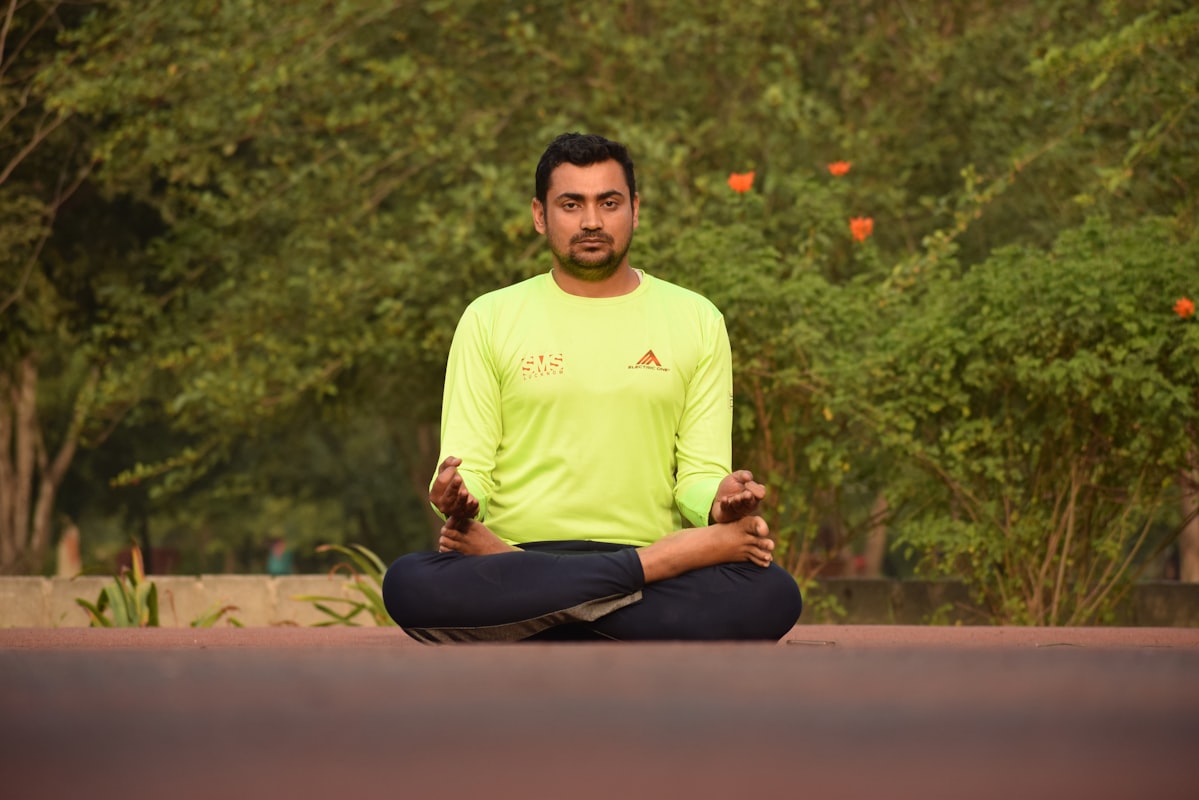
Meditation in Nature
Step outdoors for 10 minutes of quiet observation. Feel the ground beneath your feet, listen to natural sounds, and let your mind settle. Nature's rhythm naturally calms your nervous system.
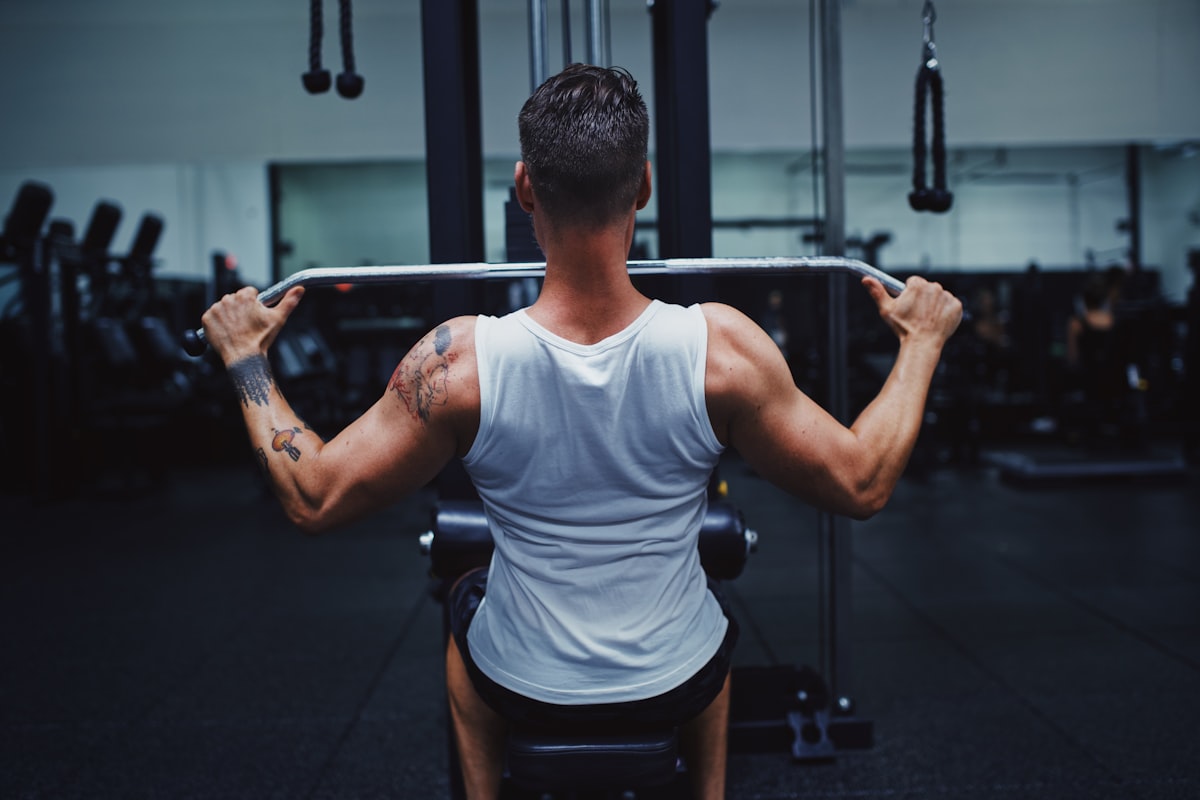
Morning Movement Ritual
Begin your day with 5-10 minutes of gentle stretching or walking. This primes your body for calm focus, elevates morning mood, and establishes a sense of control over your day.

Intentional Breathing Practice
Dedicate 3-5 minutes to conscious breathing at midday. Count each breath, slow your pace deliberately, and notice the immediate shift in your mental state and physical tension.
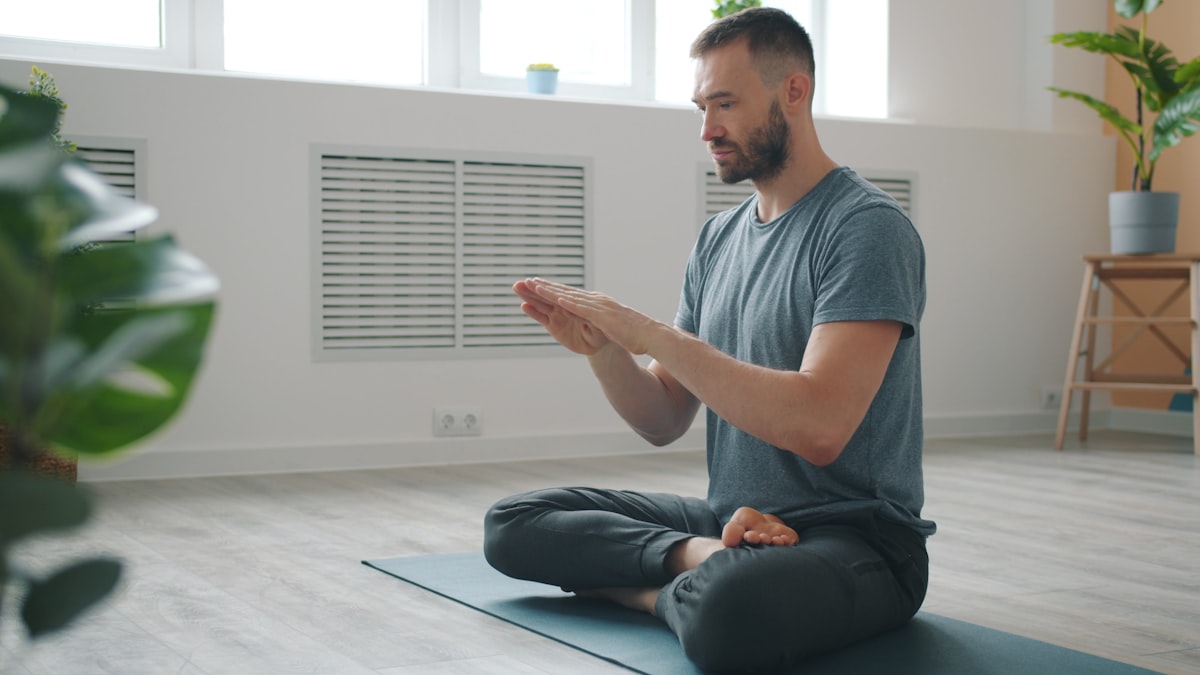
Evening Reflection
End each day by writing three things you did well and one thing you'll adjust tomorrow. This practice closes the day mentally, reduces rumination, and builds self-awareness.
Real Stories, Real Results
"I was skeptical about breathing techniques until I actually committed to them. Two weeks of daily practice and I noticed I'm handling stressful meetings at work without the chest tightness. Sleep improved too. This isn't magic—it's just practical discipline."
Marcin K.
Marketing Manager, Warsaw
"The articles about whole-food nutrition and energy routines helped me connect the dots. I was exhausted all the time, thought it was just age. Changed my eating habits and added morning walks. Completely different energy level now. Wish I'd started sooner."
Jakub P.
Software Developer, Krakow
"Finally, someone speaking to men directly about stress without making it weird or overly complicated. The five-step path makes sense. I started with just box breathing at my desk and it's become a real tool. My relationships improved—I'm less reactive."
Tomasz L.
Project Lead, Gdansk
Common Questions Answered
Most people notice improvements within 1-2 weeks of consistent practice. Breathing techniques provide immediate relief (within minutes), while sleep optimization and nutrition changes typically show noticeable effects by day 7-10. Long-term resilience deepens over several months. The key is consistency, not intensity.
No. Breathing techniques, mindfulness, and progressive muscle relaxation require nothing but a quiet space. For movement, bodyweight exercises (push-ups, squats, planks) are highly effective. If you prefer weights, a basic home set is inexpensive. All techniques are scalable to your resources.
Start with one technique to build the habit, then layer in others. For example: master box breathing for 1-2 weeks, add morning walks in week three, adjust sleep habits in week four. This prevents overwhelm and helps you identify what works best for you personally.
Stress management techniques are most powerful when stress is chronic. In high-pressure environments, they become your recovery tools—like sleep and nutrition for physical recovery. Combine techniques (breathing + movement + nutrition) for compounding effect. Consider professional support for acute crises.
The portability is one strength of these methods. Box breathing works anywhere, anytime. Walking or bodyweight exercises adapt to any environment. Focus on consistency over perfection—even 5 minutes of breathing on a travel day is better than nothing. Routine disruption is temporary; returning to practice is straightforward.
Yes. Box breathing is used by military and first responders due to proven effectiveness. Progressive muscle relaxation, mindfulness meditation, and the stress-reducing benefits of strength training and sleep all have peer-reviewed research. Our content draws from evidence-based wellness science, not speculation.
Start Your Transformation Today
Stress doesn't disappear on its own. But with the right tools and consistent practice, you can master it. Explore our detailed guides, read expert insights, and begin building the mental resilience that defines modern strength.
Feature Comparison: Your Wellness Toolkit
| Technique | Time Required | Immediate Effect | Long-Term Benefit | Skill Level |
|---|---|---|---|---|
| Cold Water Immersion | 2–5 min | Yes | High | Beginner |
| Box Breathing | 5–10 min | Yes | High | Beginner |
| Progressive Muscle Relaxation | 15–20 min | Moderate | High | Intermediate |
| Meditation & Mindfulness | 10–30 min | Moderate | Very High | Beginner |
| Sauna Sessions | 15–30 min | Yes | High | Beginner |
What Our Community Says
James Morrison
Age 34, Fitness Coach
"I was skeptical about breathwork at first, but the box breathing technique has genuinely transformed my ability to manage stress. I'm more focused at work and sleep better at night."
Marcus Chen
Age 42, Business Executive
"The cold water immersion protocol is intense, but the mental toughness and physical recovery benefits are unreal. My anxiety levels have dropped significantly, and I feel energized."
David Rodriguez
Age 29, Software Developer
"Meditation seemed like something I'd never stick with, but the guided sessions here are practical and short. My cortisol levels have improved, and I'm more resilient under pressure."
Frequently Asked Questions
How often should I practice cold water immersion?
Start with 1–2 sessions per week, gradually increasing to 3–4 times weekly. Always listen to your body and allow recovery days. Cold exposure benefits increase with consistency, but overuse can lead to fatigue.
Is box breathing safe for everyone?
Box breathing is generally safe for most people. However, those with respiratory conditions, panic disorders, or who are pregnant should consult a healthcare provider first. Start slowly and never force breathing.
Can meditation really reduce cortisol?
Yes, multiple peer-reviewed studies confirm that consistent meditation practice lowers cortisol levels, reduces inflammation, and improves emotional regulation. Most benefits emerge after 8–12 weeks of regular practice.
What's the ideal sauna temperature and duration?
Most benefits occur at 160–180°F (70–82°C) for 15–30 minutes, 3–4 times per week. Start lower and shorter if you're new. Always hydrate well, and exit immediately if you feel dizzy or unwell.
How do I track stress reduction progress?
Monitor heart rate variability (HRV), sleep quality, resting heart rate, and cortisol levels via blood tests. Also track subjective measures: mood, energy, focus, and anxiety levels using a daily journal or wellness app.